







This article will explain the decision letter from the Physiotherapy Registration Board (CORU) about whether or not to accept an applicant's international qualifications and what steps need to be taken to make up for the difference.
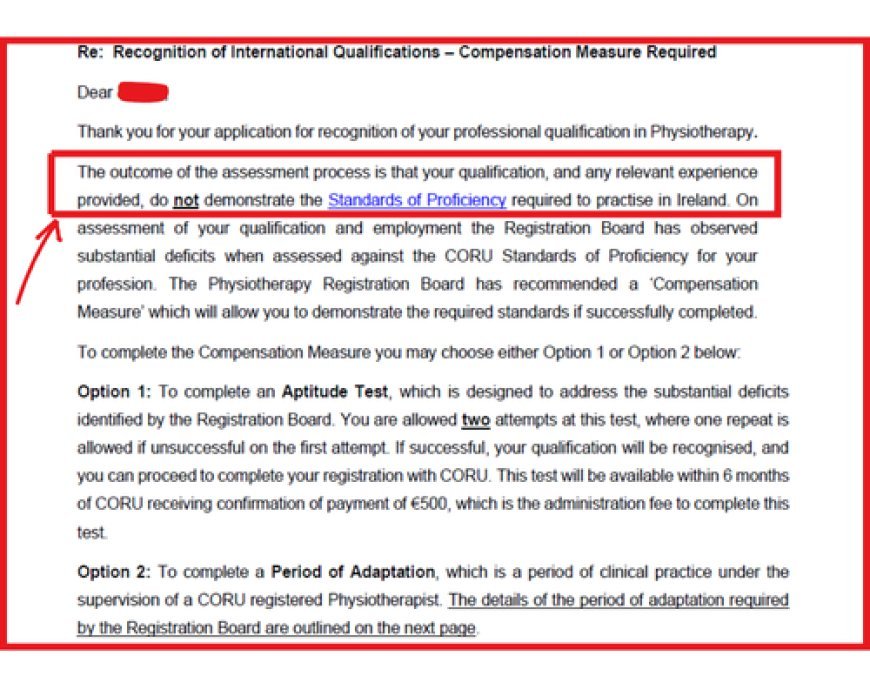
The letter explains that the applicant did not meet the requirements to practice physiotherapy in Ireland after submitting their qualifications and work experience. It lists the ways in which the applicant can show that they meet the required proficiency standards through two possible routes.
Overview of the Decision
The letter from CORU, dated April 10, 2026, and sent to a candidate who wanted to have their international physiotherapy qualification recognized, makes it very clear what happened with their application. After looking at the applicant's qualifications and work history, CORU decided that they did not meet the standards needed to work as a physiotherapist in Ireland. CORU's decision, which the applicant is unhappy with, is part of their process to make sure that only people who meet certain standards of competency are allowed to work in regulated professions.
Substantial Deficits in Professional Standards
CORU's evaluation showed that there were many big gaps when compared to the CORU Standards of Proficiency. These standards are meant to make sure that people who work as physiotherapists in Ireland have the knowledge, skills, and professional qualities they need to give safe and effective care.
The identified deficits were across multiple domains, including:
- Professional Autonomy and Accountability: This area covers the applicant’s ability to work independently, make decisions, and take responsibility for their actions as a healthcare professional.
- Communication, Collaborative Practice, and Teamworking: This domain emphasizes the need for physiotherapists to effectively communicate and work within a team, ensuring collaborative patient care.
- Safety and Quality: Standards here focus on maintaining high levels of safety and quality in practice, including risk management and patient protection.
- Professional Development: This ensures that physiotherapists continue to learn and develop their skills throughout their careers.
- Professional Knowledge and Skills: This is the most critical area, assessing the depth of knowledge in areas like musculoskeletal, cardiopulmonary, and neurological physiotherapy, which the applicant was found to lack.
Domain 1: Professional Autonomy and Accountability
The Physiotherapy Registration Board's Domain 1: Professional Autonomy and Accountability is all about whether a physiotherapist can work alone and ethically. This area is very important for making sure that physiotherapists have both the technical skills and the professional integrity to give good care. There are several important standards that make it up:
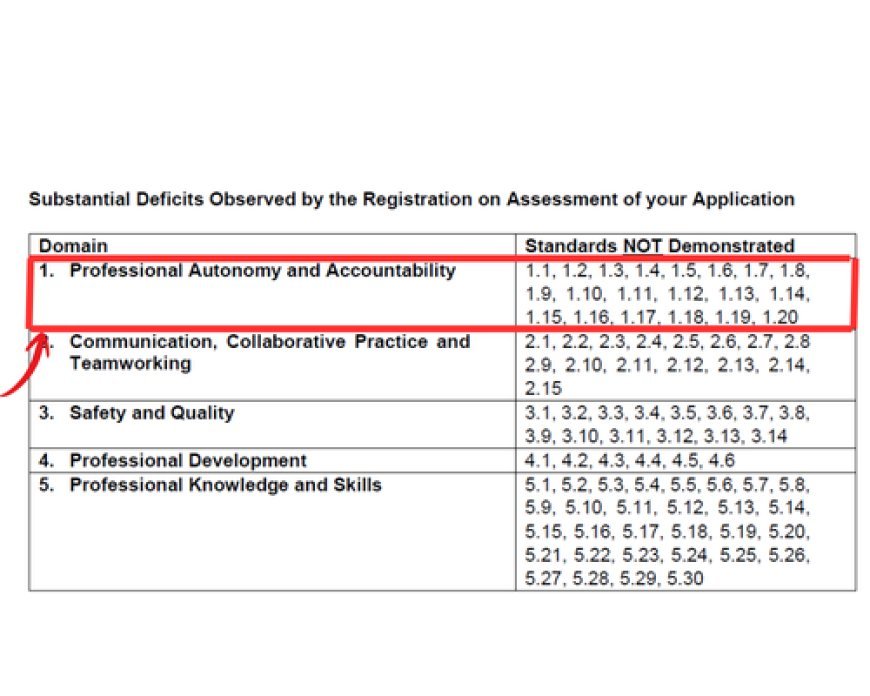
Standards 1.1 to 1.3 are all about knowing the limits of your practice, asking for help when you need it, and always improving your skills:
- For instance, a physiotherapist might have to deal with a complicated neurological condition like a spinal cord injury. They know when they don't know enough about a case to help, so they talk to a specialist or send the patient to a rehabilitation center. The physiotherapist also goes to workshops and seminars to keep up with the latest treatment methods in neurology.
- These standards make sure that a physiotherapist knows when to ask for help, which keeps patients from being hurt by not knowing enough.
Standards 1.4 to 1.7 stress the importance of knowing the legal and moral limits, like patient privacy and informed consent:
- For instance, a physiotherapist makes sure that a patient recovering from knee surgery knows about the rehabilitation process, the risks involved, and the treatment options. They make sure that the patient gives informed consent before any treatments or procedures. Also, when the patient tells the physiotherapist about their health, the physiotherapist makes sure that the information stays private, as required by data protection laws.
- These rules protect the rights of the patient and the professional integrity of the physiotherapist, making sure that the practice is both legal and moral.
Standards 1.8 to 1.20 are about keeping high personal and professional standards, managing your workload, and being responsible for your choices.
- For example, a physiotherapist might work in a busy hospital where they have to see a lot of patients every day. They keep detailed records of each patient's progress, make decisions that are best for the patient's recovery, and prioritize urgent cases. They also show that they are responsible by explaining to the patient why a certain treatment was suggested and making sure the patient understands the plan completely.
- This standard stresses how important it is to be professional and take responsibility for the results of your choices. It makes sure that the physiotherapist is responsible for what they do, which builds trust in their care.
Domain 2 : Communication, Collaborative Practice, and Teamworking
The Domain 2: Communication, Collaborative Practice, and Teamworking according to the CORU standards. This area is very important for physiotherapists because it is all about how they talk to patients, families, coworkers, and other healthcare professionals. There are a few important standards that make it up:
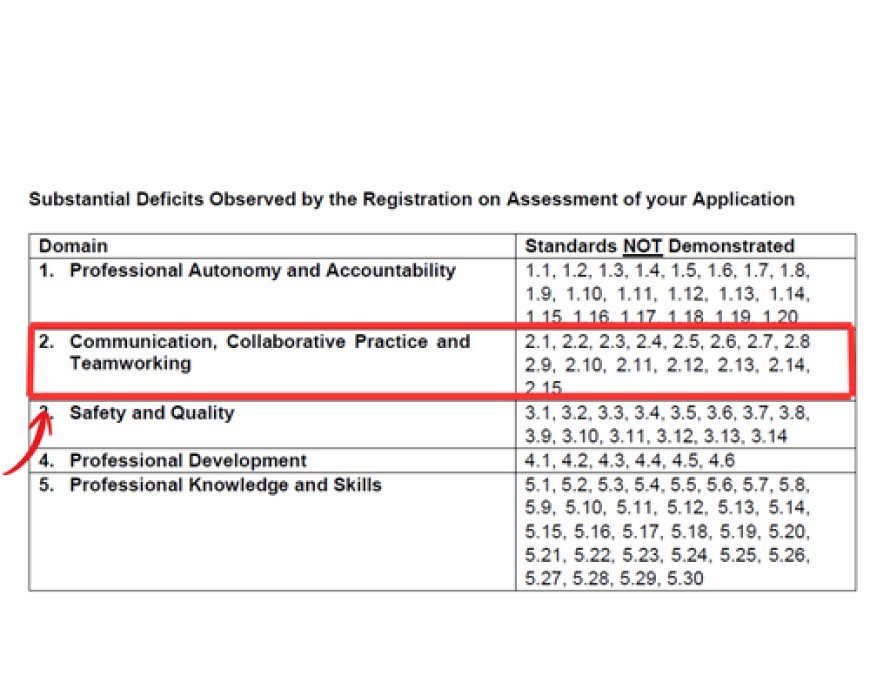
Standards 2.1 to 2.5 stress how important it is to talk clearly and effectively with patients, their families, and their caregivers. For instance, a physiotherapist must make sure that a patient with a sports injury understands the treatment plan, the expected results, and any risks that might come with it. This message also goes to caregivers, so they know how to help the patient get better.
- For example, a physiotherapist talks to a family caregiver about the right ways to help a patient do exercises at home, making sure the caregiver knows how to help without making the injury worse.
Standards 2.6 to 2.10: These standards are all about working together with people from different fields of healthcare and respecting the roles of other healthcare professionals. Physiotherapists often work with doctors, nurses, occupational therapists, and other experts. The physiotherapist needs to respect and work with these other professionals, knowing what they do and how they help the patient.
- For example, when treating a stroke patient, the physiotherapist works with the neurologist, speech therapist, and occupational therapist to make sure the patient has a full rehabilitation plan. The physiotherapist values what each team member has to say and respects their knowledge.
Standards 2.11 to 2.15: These standards are about gaining the trust of service users and handling private information in the right way. Physiotherapists must keep patient information private and be careful with medical records and other sensitive information. This standard makes sure that patients feel safe and valued in the place where they are getting care.
- For example, a physiotherapist who works in a clinic makes sure that patient records are kept private so that personal health information isn't shared with people who shouldn't have it. They also gain the trust of their patients by being open and honest about their treatment options and showing that they care about them. This makes the patient feel heard and understood.
Domain 3: Safety and Quality
This area is all about keeping the clinical environment safe for both the physiotherapist and their patients. It is important for making sure that the physiotherapy practice works and is safe.
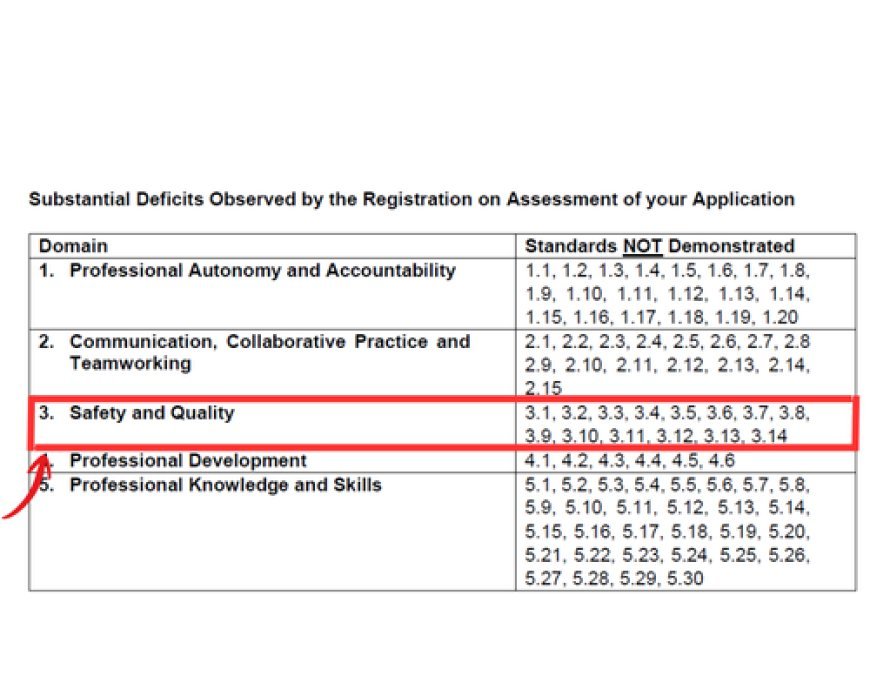
Standards 3.1 to 3.7 stress the importance of following health and safety rules and being aware of risks to yourself, others, and the environment. A physiotherapist in a hospital, for instance, needs to be aware of hazards like wet floors or equipment that is not stored properly that could lead to slips or falls. To avoid getting hurt while treating patients, they have to follow safety rules like cleaning their tools and using the right ergonomic techniques.
- For example, the physiotherapist checks the treatment area for dangers before starting treatment. They make sure that all the equipment is clean, the cables are out of the way, and the floor is dry. They take immediate steps to fix any problems that could put patients or staff at risk.
Standards 3.8 to 3.14 are all about keeping clinical quality high, doing regular audits, and making sure that the equipment is safe to use. This means making sure that medical equipment is checked regularly and works well, as well as staying up to date on the latest clinical standards and protocols.
- For example, a physiotherapy clinic makes sure that its machines (like ultrasound therapy equipment) are working properly by checking and servicing them on a regular basis. The clinic also does regular audits to see how well treatments are working and where they can be improved.
Domain 4: Professional Development
This domain stresses the importance of physiotherapists continuing to learn and get better at their jobs, which is necessary to keep high standards of care.
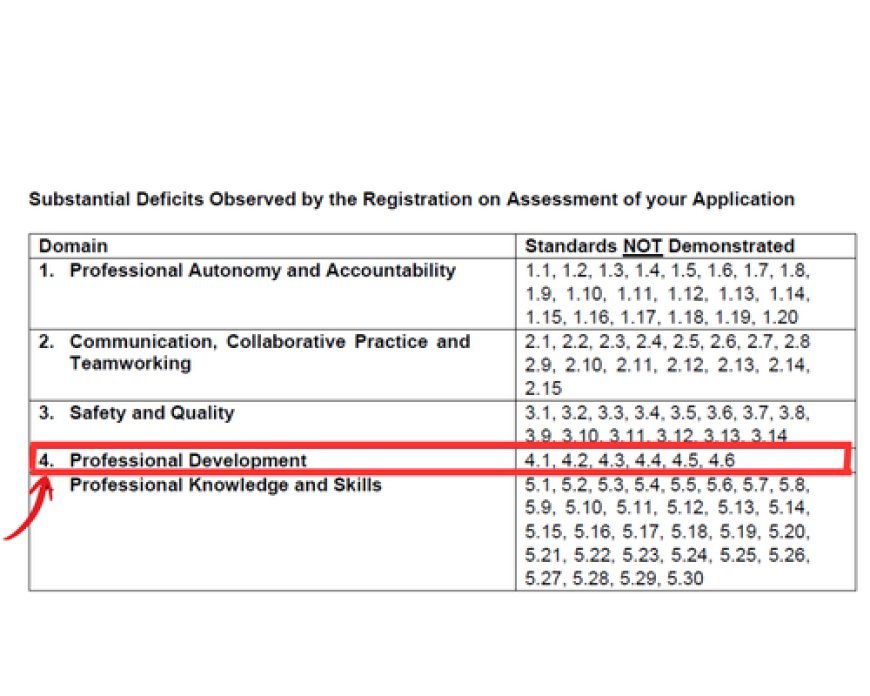
Standards 4.1 to 4.6 are all about continuing professional development (CPD) and using self-reflection to get better at clinical skills. This means that physiotherapists should regularly take courses, go to workshops, or do other things to improve their skills and knowledge. They should also think about their clinical experiences to find ways to grow both personally and professionally.
- For example, a physical therapist takes an advanced course on sports injuries to learn new ways to help people recover and think about how they can use these methods in their own work. After each patient session, they can also look back on their treatment methods and think about what worked well and how they could do better next time.
Domain 5: Professional Knowledge and Skills
This domain covers the core clinical skills essential for physiotherapists, focusing on assessment, treatment planning, and delivering interventions.
For example, in the range of 5.1 to 5.10, physiotherapists gather patient history and conduct physical assessments to understand the condition better. Suppose a physiotherapist is treating a patient with lower back pain. In this case, they would start by asking the patient about the history of the pain, how it began, and what factors aggravate it, followed by physical assessments such as posture analysis and joint mobility tests. This foundational step is vital for creating a precise treatment plan.
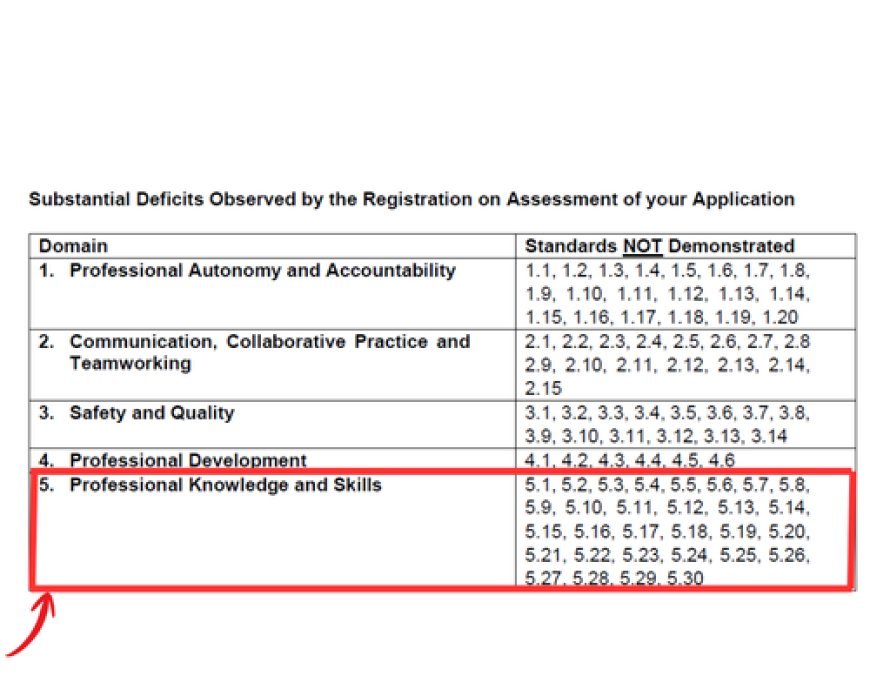
Standard 5.11 to 5.20, physiotherapists use clinical reasoning to develop treatment plans and set realistic goals. For instance, the physiotherapist might create a plan that includes strengthening exercises and posture correction strategies, aiming to reduce pain and improve function over time.
Standard 5.21 to 5.30 involves delivering specific physiotherapy interventions like manual therapy or exercise, and evaluating their effectiveness. For example, after a few weeks of treatment, the physiotherapist reassesses the patient's progress by asking about pain levels and functional improvements, adjusting the plan if necessary to ensure optimal recovery.
Conclusion
CORU's decision letter highlights the importance of meeting professional standards for healthcare practitioners and provides a structured, supportive approach for international candidates to bridge any gaps in their qualifications. Whether through the Aptitude Test or the Period of Adaptation, CORU offers a fair opportunity for qualified professionals to gain recognition and begin their practice in Ireland, which can be discussed in the next article.